01
Begin with what you can see.
A branch finding its way toward the light. The warmth of a room at the end of the afternoon. The ground beneath your feet. A metal edge that makes a boundary clear. Water taking the shape of its vessel. The five elements begin with images that are close at hand.
Wood, Fire, Earth, Metal and Water form a symbolic language in Chinese thought. In this editorial introduction, they become five verbs as much as five nouns: to grow, express, hold, refine and adapt.
This is a doorway into a much larger tradition, not a substitute for study and not a personality test. Start by noticing the images before deciding what they mean for you.
02
Think in relationships, not boxes.
The elements are often described through relationships of support, transformation and restraint. The important idea for a beginner is that none of them stands alone: growth needs resources, expression needs direction, structure needs flexibility and rest eventually gives way to movement.
That is why a single label such as “a Wood person” can flatten the subject. A complete BaZi chart considers several positions, timing and their relationships. The sample report on this site shows the format, but its values are not calculated from your details.
03
Balance does not mean equal parts.
A balanced day is not necessarily divided into five identical portions. Preparing a proposal might need Metal-like editing, Earth-like follow-through and a little Water-like pause before it is shared. Another day will ask for a different sequence.
Instead of chasing a perfect score, ask a more practical question: which quality is already carrying the situation, and which quality would help it move? This keeps the language flexible and connected to something you can actually observe.
04
Try a five-minute inventory.
Write the five names down one side of a page. Beside Wood, note what is beginning. Beside Fire, note what needs expression. Beside Earth, what needs care. Beside Metal, what needs a decision. Beside Water, what needs more space or reflection.
Choose only one answer to act on today. Make the action small enough to complete: send the message, clear the surface, decline the extra task, take a quiet walk or open the document you have been avoiding.
05
How the collection uses the language.
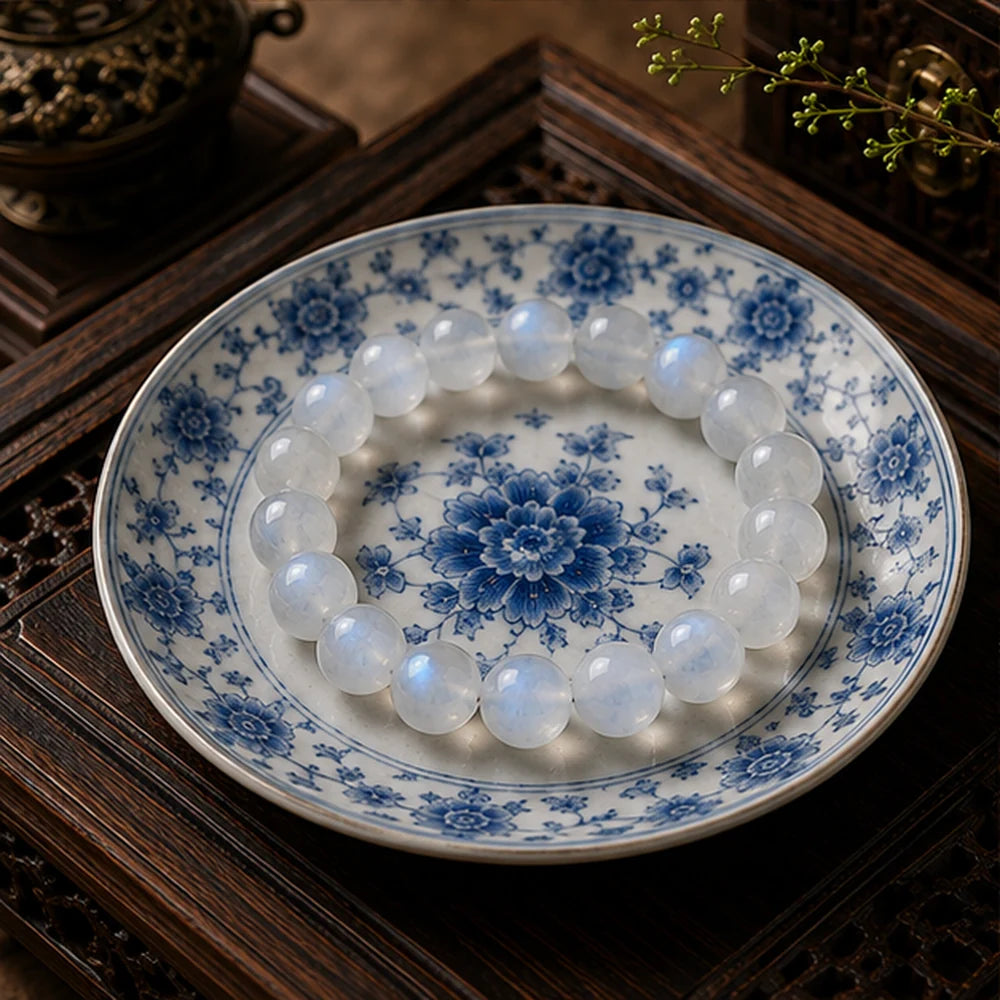
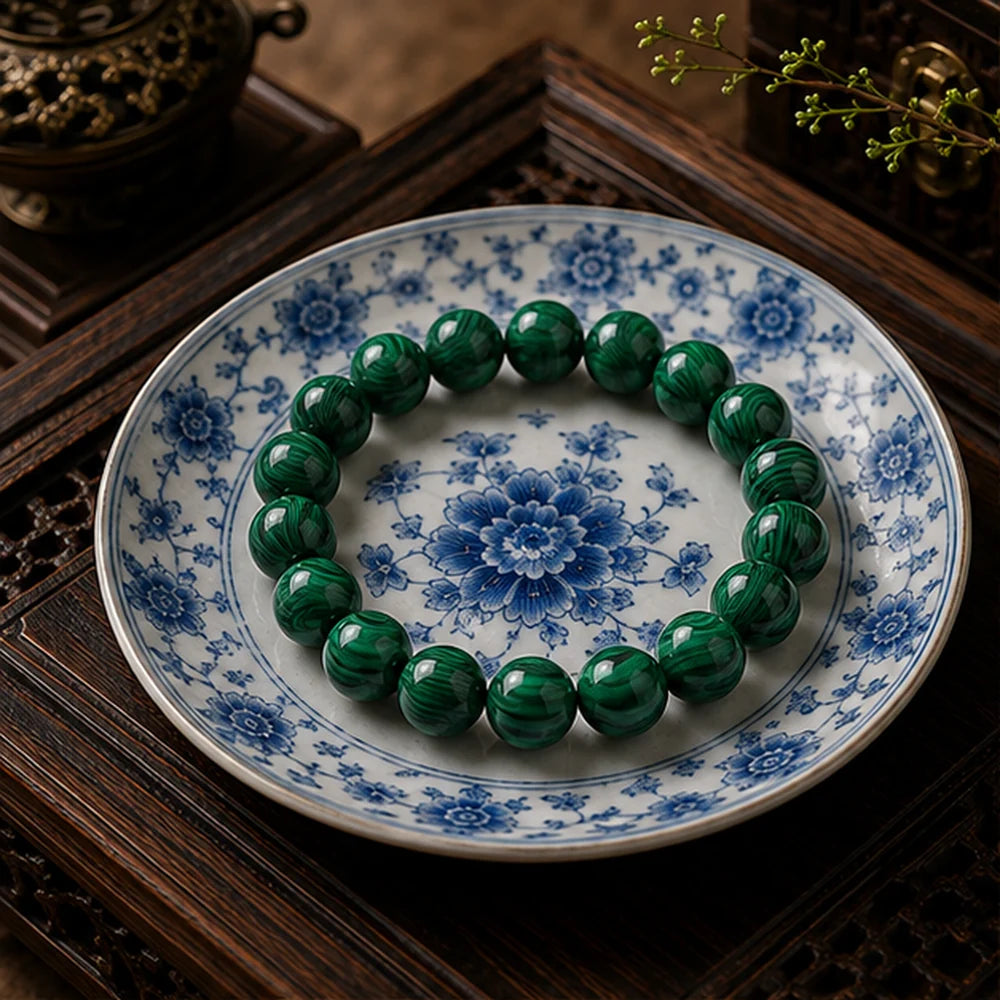
Our stone guide connects warm yellow and brown tones with Earth, pale stones with Metal, greens with Wood, aquamarine and obsidian with Water, and reds with Fire. These colour associations help you explore the collection with a theme in mind.
A filter is not a prescription. You can follow an element from a sample report, choose an intention such as clarity, or ignore both and select the colour you want to wear. The connection should always remain visible, optional and your own.